
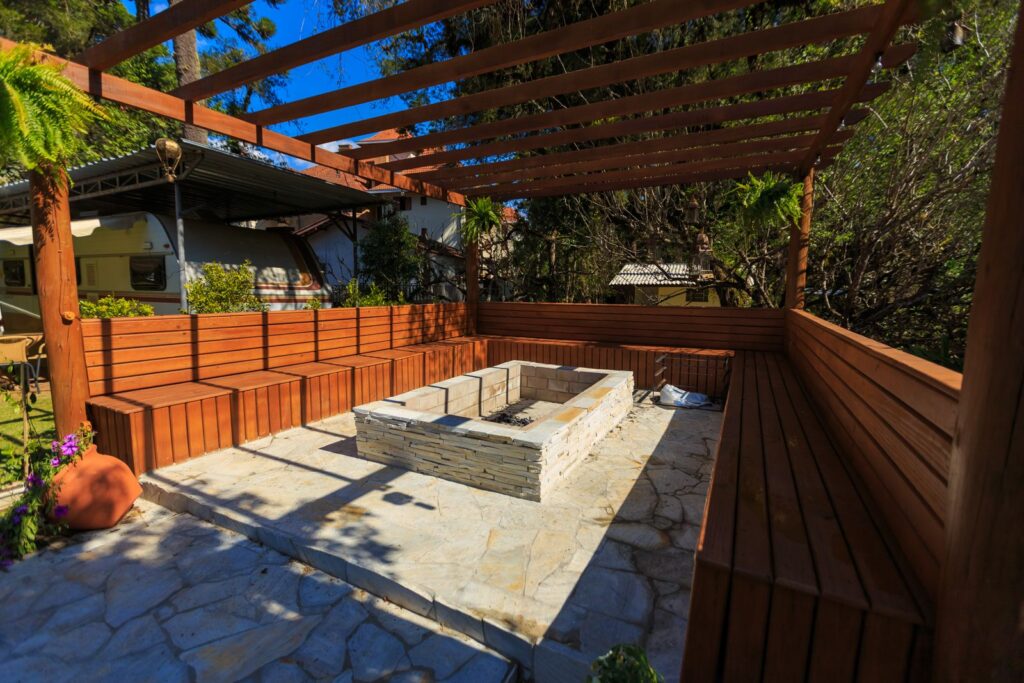
For many small businesses, the most underused asset is the space right outside the door. A patio, side yard, or open lot can become extra seating, an event space, or a reason for customers to stay longer and spend more. The catch is weather. An uncovered patio only earns money on perfect days, while a well-built pavilion or pergola can stretch your outdoor season by months and turn rainy afternoons into business as usual.
This guide covers which businesses benefit most from a covered outdoor structure, how to choose between a pergola, a pavilion, and a tent, and what to plan for before you build, including special considerations for businesses in Canada.
Why Covered Outdoor Space Pays Off
- More seats without an addition: outdoor seating adds capacity for a fraction of the cost of expanding your building.
- A longer season: shade in summer and shelter from light rain keep tables full on days an open patio would sit empty.
- New revenue streams: private parties, workshops, tastings, classes, and pop-up markets all need a defined space.
- A memorable experience: an attractive timber structure with lights and plants becomes the backdrop for customers’ photos and social posts, which is free marketing.
Businesses That Benefit Most
Restaurants and Cafes
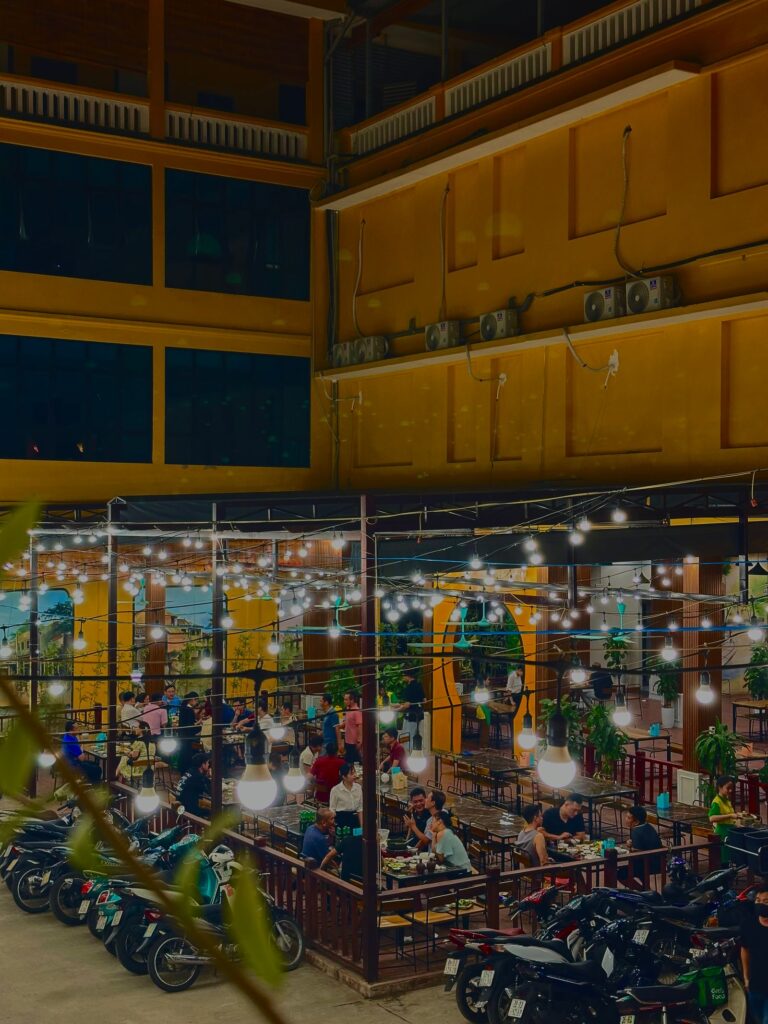
Outdoor dining remains one of the most requested features for restaurants and coffee shops. A covered area with string lights, heaters, and wind screens lets you seat guests from early spring well into fall. Check whether your liquor license and occupancy permit cover outdoor service areas before you open them.
Breweries, Wineries, and Cideries
Taprooms and tasting rooms thrive on a relaxed, linger-longer atmosphere. A pavilion near the production space can host trivia nights, live music, food trucks, and private events.
Event Venues and Farms
Rural properties can rent covered outdoor space for weddings, reunions, birthday parties, and corporate picnics. If you are exploring rural opportunities, see our guide to small town business ideas that work.
Campgrounds, RV Parks, and Bed and Breakfasts
A shared pavilion with picnic tables and a fire pit gives guests a gathering place and makes your property stand out in online listings.
Garden Centers and Farm Markets
Covered space protects shade-loving plants and seasonal displays, and it doubles as a classroom for workshops on planting, canning, or wreath making.
Fitness and Wellness Studios
Outdoor yoga, boot camps, and stretching classes are popular in warm months. A covered platform protects instructors and equipment from sun and drizzle.
Pergola, Pavilion, or Tent?
- Tents are inexpensive and temporary, but they look less inviting, need constant setup and takedown, and do not handle wind or snow well.
- Pergolas have an open lattice roof that filters sunlight and supports lights, curtains, or climbing plants. They are ideal for shade and atmosphere.
- Pavilions have a solid roof that sheds rain and, when engineered for it, snow. They suit businesses that need dependable shelter in any weather.
Many businesses start with an open-roof structure for shade and ambiance, then add privacy walls, heaters, or a solid roof covering as their needs grow.
Why Timber Frame Kits Make Sense for Small Businesses
A custom-designed outdoor structure can mean architects, long lead times, and a large contractor bill. Prefabricated timber frame kits offer a middle path: heavy, attractive timbers that are precision-cut at the factory, numbered, and shipped with an assembly manual. Because the joinery is done in advance, a small crew can often raise the frame in a weekend or two, which matters when every week of construction is a week your outdoor space is not earning.
For example, a Douglas fir Timber Frame Pavilion (Lt) from Norweh arrives as a pre-cut DIY kit with stained timber components, technical drawings, and step-by-step instructions, and it can be paired with optional privacy walls to block wind or create a more intimate dining corner. As with most kits, plan separately for items not included in the box, such as final roofing materials, anchoring hardware, post brackets, and installation if you hire it out.
Planning for Canadian Winters
Businesses in Canada face extra challenges: heavy snow, deep frost, and short building seasons. Before you buy any outdoor structure, check its rated snow load against your municipality’s requirements, and set footings below the frost line so freeze and thaw cycles do not lift your posts. Many Canadian municipalities require a building permit for structures above a certain size, so contact your local building department early and ask whether engineer-stamped drawings are needed.
Canadian business owners can look at the Timber Frame Pavilion (Light Timber) for Canada, which is offered through Norweh’s Canadian site with pricing and delivery set up for Canadian customers. Built from structural-grade Douglas fir and protected with a penetrating oil stain, a timber frame like this is designed to handle seasonal swings in moisture and temperature far better than a temporary tent.
Your Pre-Build Checklist
- Zoning and permits: commercial properties often face stricter rules than homes. Confirm setbacks, lot coverage limits, and whether a permit is required.
- Licenses: if you serve alcohol or food outdoors, update your liquor license and health department approvals to include the new area.
- Foundation: concrete footings or helical (screw) piles set below the frost line provide a stable base.
- Accessibility: plan level paths, ramps where needed, and accessible seating so every customer can enjoy the space.
- Electrical: lighting, heaters, speakers, and outlets should be installed by a licensed electrician.
- Comfort: add fans, heaters, privacy walls, or curtains to extend usable hours.
- Insurance: tell your insurer about the new structure and any new activities such as private events.
Estimating the Return on Your Investment
Run the numbers before you build. Multiply the extra seats you will add by how many times you can turn each seat per day and your average spend per customer, then multiply by the number of days you expect to use the space. For example, 20 extra seats, 1.5 turns per evening, and a $30 average check add about $900 in revenue per night. Over 100 nights, that is roughly $90,000 in added sales before costs. Add private event rentals, and many businesses recover the cost of a quality structure within a season or two. Our guide on how to write a business plan step by step explains how to build realistic projections.
Market Your New Outdoor Space
- Upload fresh photos of the space to your Google Business Profile and turn on attributes like outdoor seating.
- Update your listings in local directories so searchers know you offer covered outdoor space.
- Launch with an event, such as a live music night, a tasting, or a community open house.
- Offer private bookings and list the space on event rental platforms.
A well-planned pavilion or pergola is more than a nice-to-have. For the right business, it is a revenue-generating asset that customers remember. Looking for more ways to grow? Browse our list of the best small business ideas to start in America.